Becoming CEO

Decisions with the head, carried out with the heart
In 2010, I became chief executive of the Channel Islands Co-operative Society. In one sense, the transition was seamless. I had spent twenty years in the organisation, starting on the shop floor and learning the business from the inside. I knew the people, the stores and the way the Society fitted into island life.
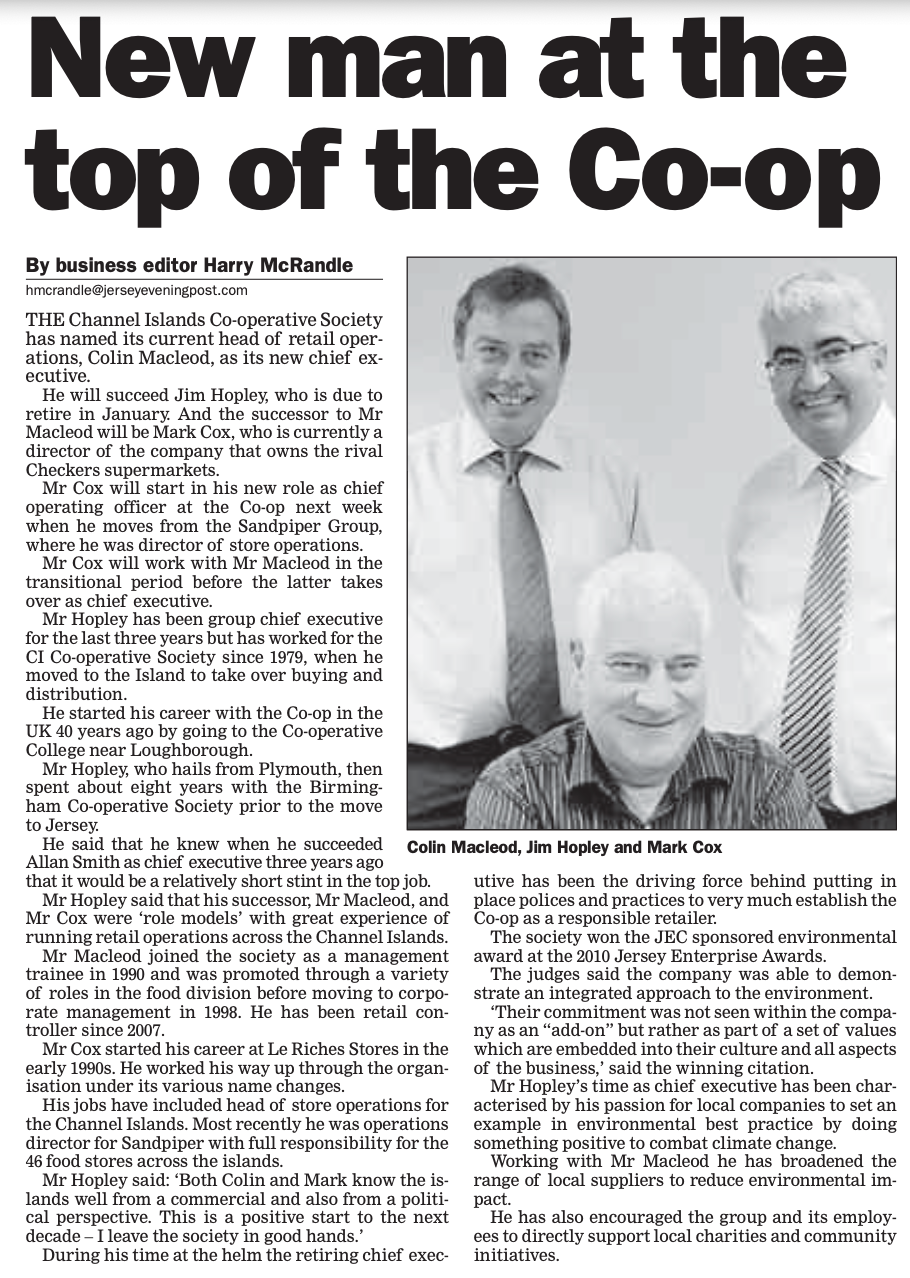
In another sense, it was a difficult moment to take over. The islands were in a deep recession. Waitrose had announced its intention to come here, and our business had become a little sleepy. The way people shopped was changing, costs were rising and household budgets were under pressure. We could not assume that history or loyalty would be enough to keep us relevant.
We needed a strategy that could do two things at once: defend what mattered to our members and give the business the confidence to move forward. I thought of that as attack and defence. We had to protect member value, local service and the trust built over generations. We also had to find new ways to serve people, through community healthcare, pharmacy and more convenient neighbourhood shops. The point was never change for its own sake. It was to keep the Society useful in people’s lives.
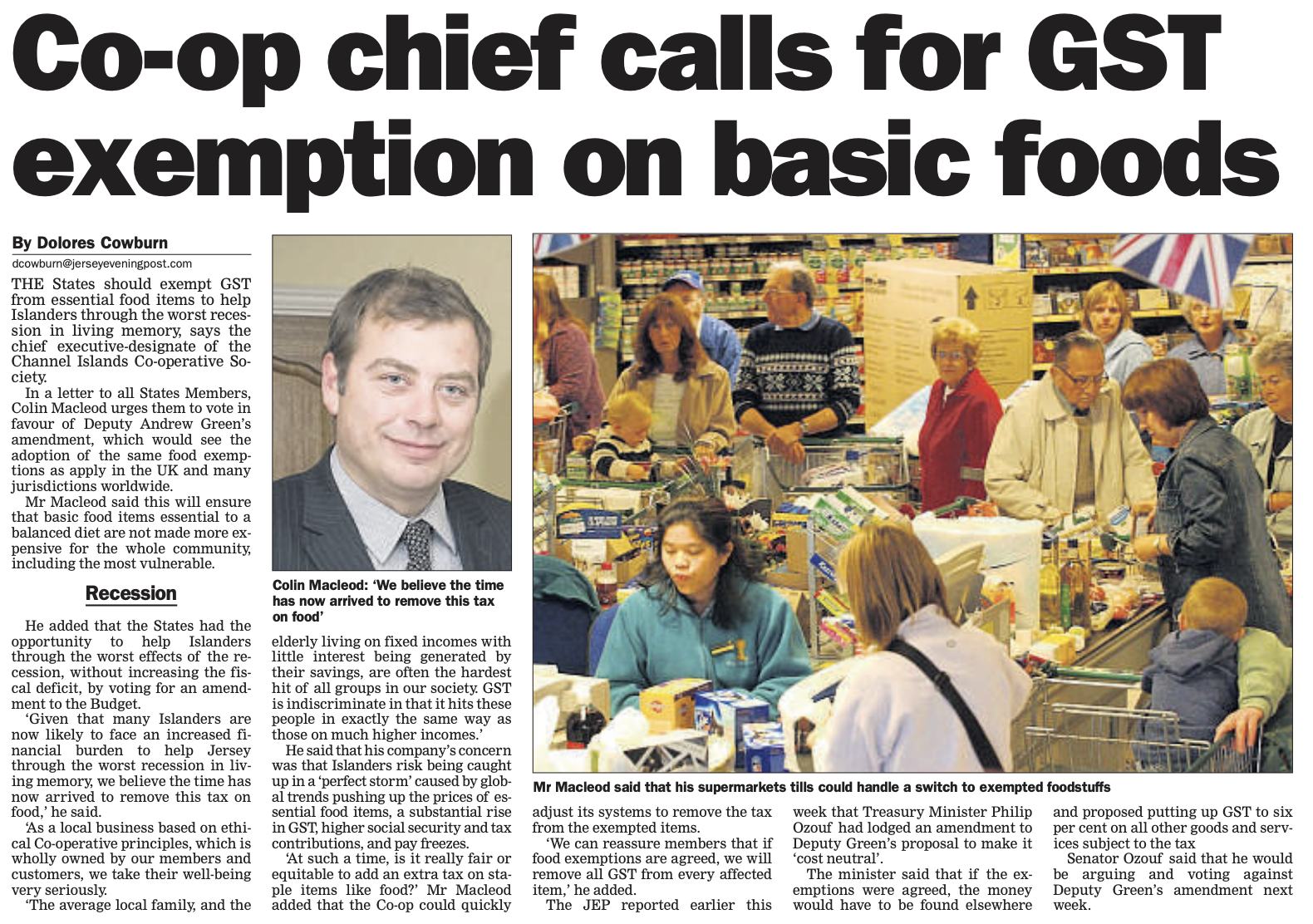
Some of that work was about the ordinary pressures people felt every week. GST had become part of the household calculation, and in 2010 I spoke publicly in favour of exempting basic foods. The price of food mattered; so did the price of fuel for people filling up at our forecourts. These were not abstract questions about strategy. They were part of the practical relationship between the Society and the people who owned it.
We also needed to understand what members wanted from us. The research we commissioned gave us a clear view of their expectations. It was candid, sometimes uncomfortable, and useful. It helped us see where the Society needed to change and where its local roots could give it a real advantage. Supporting local producers was part of that. In a small island economy, decisions about where we buy and who we work with have consequences people can see.
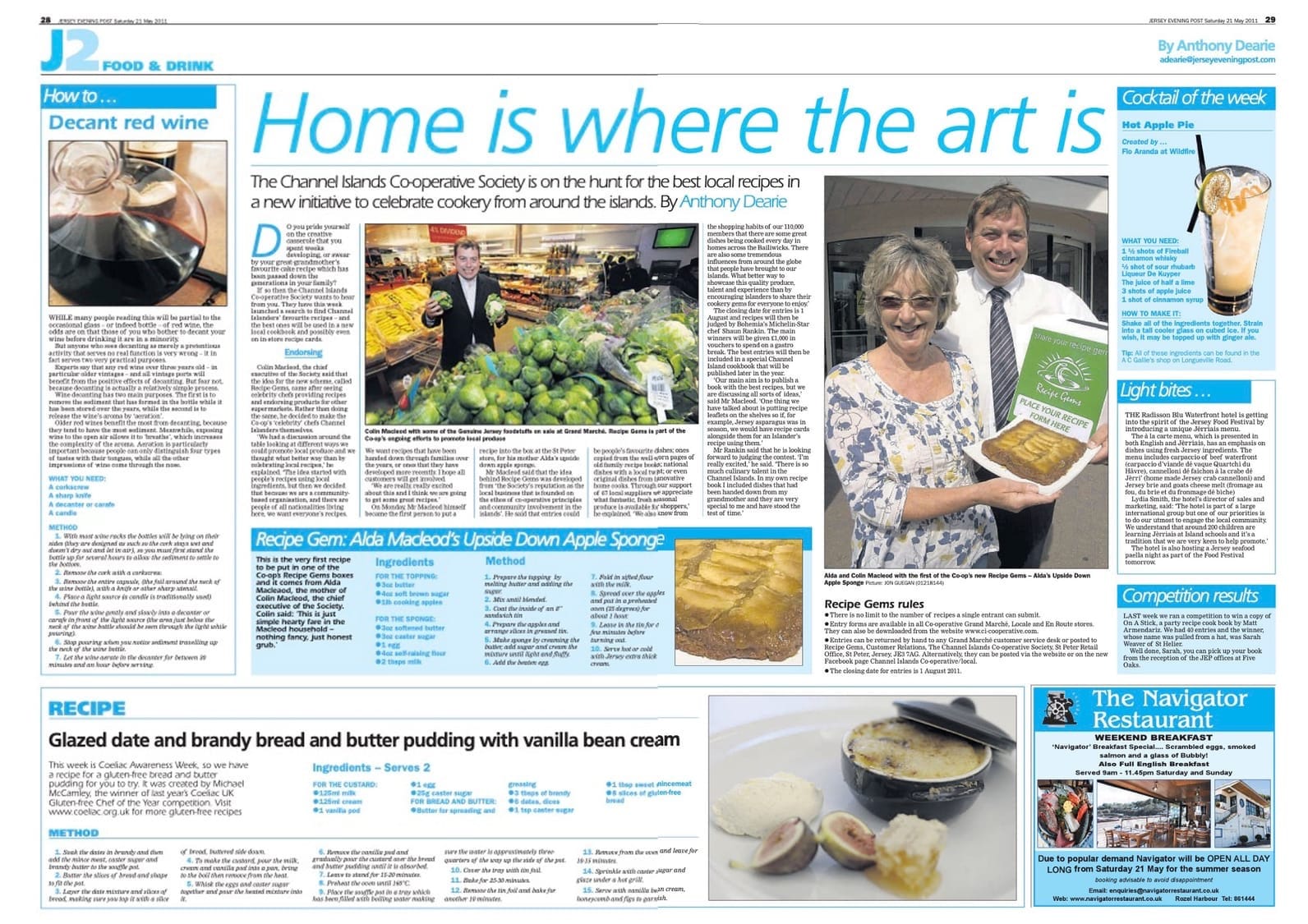
There were lighter moments too. A newspaper feature followed our search for local recipes, inviting people to share food that had travelled through their families and homes. The first “Recipe Gem” was my mum’s upside-down apple sponge. The photograph of the two of us brings something personal to the story. It shows the Society’s wider life through a family moment, and reminds me that work and community were never separate worlds.
Sometimes our response to people’s needs meant creating something new. The Society developed community medical care in response to people looking for accessible, affordable GP services. We diversified into community pharmacy and continued to develop neighbourhood food stores. Each move required a commercial case, but it also began with a question about what people needed and what the Society could do well. I was proud when new services made care more accessible and local shops gave people another way to shop close to home.
One of the proudest things I take from those years is the member proposition. We maintained a 4% dividend on qualifying purchases throughout my stewardship, alongside double-dividend days on Tuesdays and Wednesdays. I saw this as part of the meaning of membership, not simply as a promotion. People who owned the business should share in its success.
The figures I recorded in my CV captured part of the growth during my time as chief executive: sales rising from £158 million to £210 million and net asset value from £94 million to £127 million. Those numbers matter because a co-operative needs a strong business if it is to invest, return value to members and support the community. Growth by itself was never the point. What mattered was what it made possible for the people who owned us.
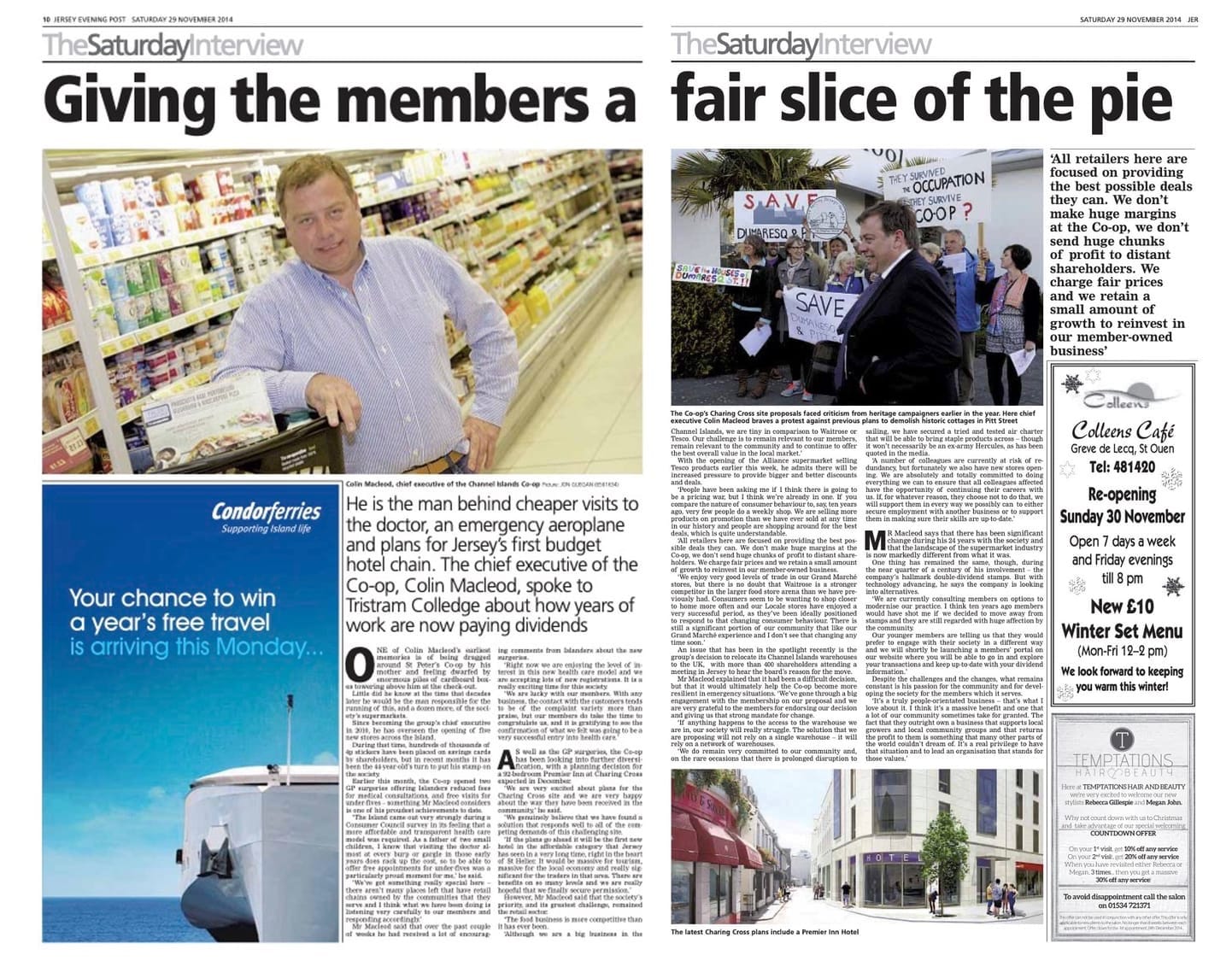
One of the hardest decisions of my time as chief executive was moving our food warehousing from Jersey and Guernsey to Andover. The business case was about resilience, range, freshness and the costs of running two local warehouses for a relatively small number of stores. But the decision affected colleagues whose work and lives were rooted here. I wrote at the time that telling them was the worst day in my 24 years with the Society.
I still believe that a difficult decision has to be made with your head. But then you have a choice about how you carry it out. We extended consultation, offered retraining and outplacement support, improved redundancy terms and looked for local opportunities for people whose roles were affected. The Society argued that its plans could create other jobs and strengthen the business over time. Members challenged us, and the decision became a public debate. That mattered. A member-owned business should be able to hear disagreement and explain its reasoning.
None of that made the decision easy. It was part of accepting responsibility for its human consequences. That is what I meant when I wrote, “Use Your Head: Then Your Heart.” Being a co-operative does not mean avoiding hard choices. It means being clear about why you are making them, listening to the people affected and trying to treat them with care and dignity.
Charing Cross brought another kind of responsibility. The site mattered commercially, but it also sat in the heart of St Helier, with a history and a place in people’s memories. Members and local people had concerns about heritage, and there were real disagreements about what should happen there. I wanted the plans to bring life back to the area while respecting what made it distinct.
The proposals developed over time. They included restoring familiar features, reflecting the site’s history through public art, involving local artists and schoolchildren, and making the surrounding streets more welcoming to pedestrians. They also included a Premier Inn and other commercial plans intended to support the town centre. It was a complicated balance: investment and renewal alongside heritage, local identity and people’s attachment to the place. I wanted the redevelopment to feel as though it belonged to the community, not simply to the Society.
Across these years, I kept returning to a simple idea: a member-owned business has to earn its place in the community every day. That means offering value and doing the ordinary things well. It also means supporting local producers, giving members a voice and investing in services people need. I tried to make that idea visible in public writing and in the way we ran the business
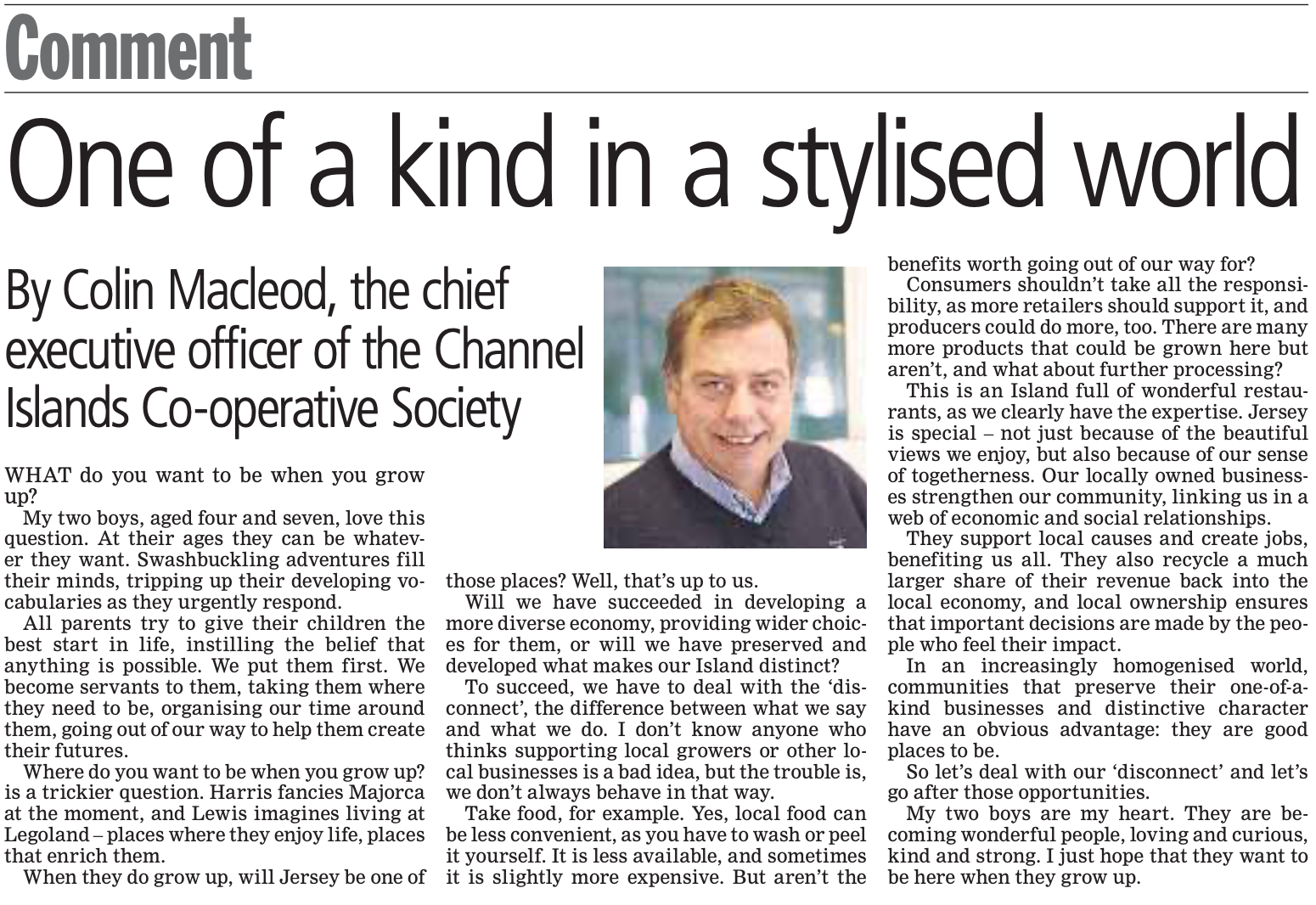
By 2018, “Belonging is Everything” had become part of the Society’s public language. It is one of the things I am proudest of from my career. For me, it captured the co-operative difference: the Society was owned by its members and run for their benefit. Belonging meant more than holding a membership number. It meant having a voice, sharing in the success of the business and being part of a locally owned organisation with a responsibility to the islands around it.
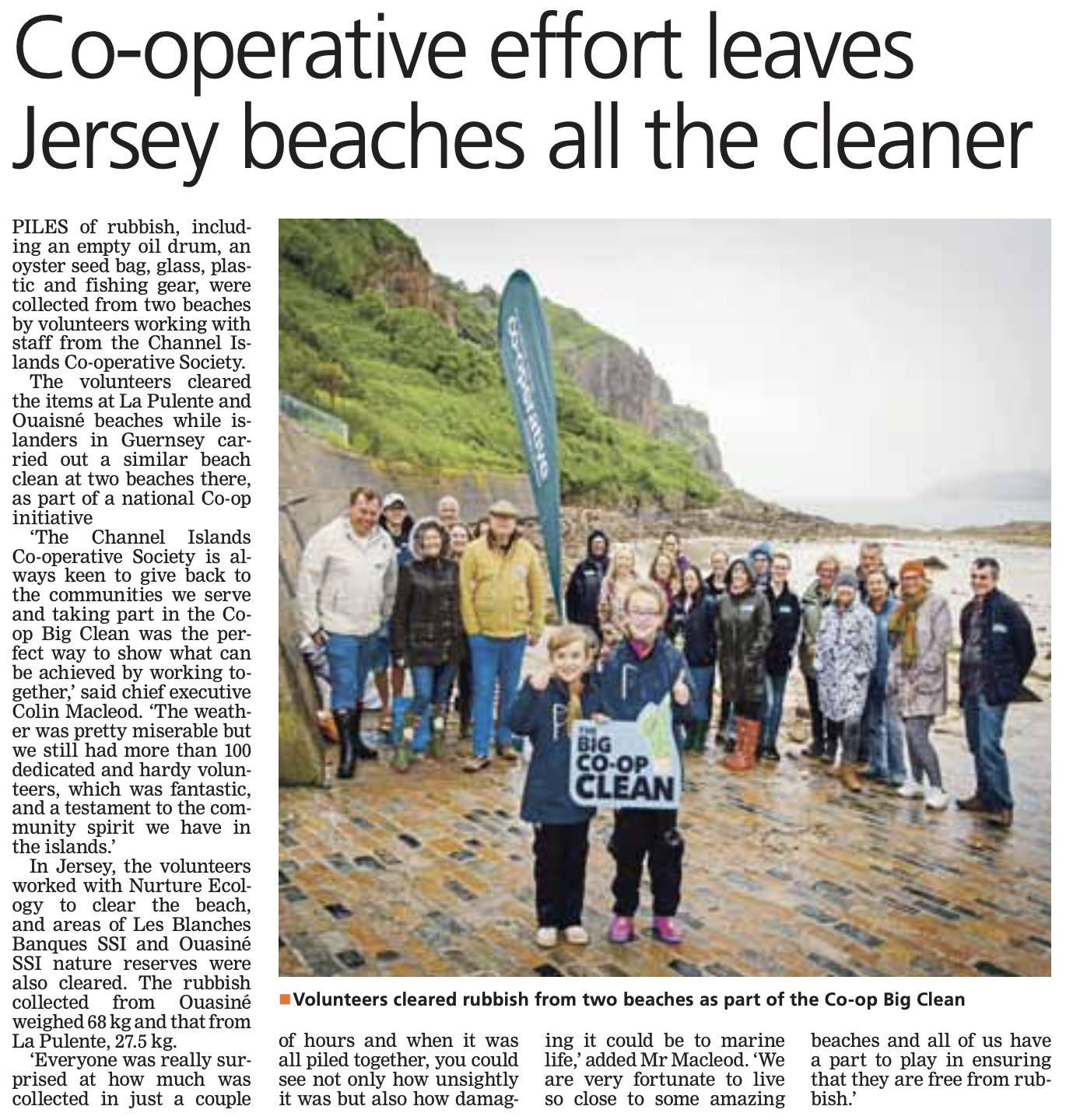
There were many public moments that made that belief tangible. As one example, in 2016, Co-op colleagues and community volunteers joined a beach clean, clearing rubbish from two beaches. The photograph is simple: people in boots and coats, standing together with the sea behind them. It captures something I valued about the Society. We were not only a business operating in the islands; we were made up of people who lived here and could give their time to the place.
I know the Society has faced different circumstances since my time as chief executive. I feel a real pride that we sustained the 4% dividend and double-dividend offer during my stewardship. After that, the double-dividend stamps were replaced during Covid with a 1% bonus for all members, and the dividend later moved from 4% to 2%. There has also been a difficult period financially, followed by a return to surplus. I do not take satisfaction in the hard years. I want the Society to do well. But the changes matter to me because returning value to members was a practical expression of what “Belonging is Everything” meant.
When I look back across the decade, I see a succession that grew out of twenty years inside the Society, followed by a period of real pressure and change. I see arguments about prices and services, difficult conversations with colleagues and members, new ideas, local partnerships, my mum’s apple sponge and ordinary moments in shops and communities.
Together, those are the places where the role lived. The standard I tried to hold to was simple: make the decision with a clear head, then carry it through with a human heart. For me, that was the co-operative difference.